
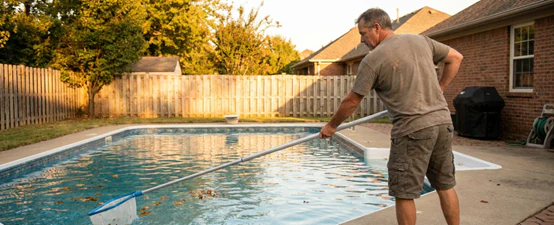
Pool cleaning may look straightforward at first glance—skim the surface, vacuum the bottom, and balance the chemicals. However, anyone who has spent time maintaining a swimming pool knows that certain areas consistently get overlooked. One of the most commonly missed zones is the shallow platform or shallow ledge.
These areas seem simple and harmless, but they are often the first places where dirt, algae, and debris accumulate unnoticed. Understanding why they are frequently missed can help improve overall pool hygiene and safety.
1. Poor Visibility Under Water Reflection
One of the main reasons shallow platforms are missed is light reflection and water glare. In shallow water:
- Sunlight reflects more intensely off the surface
- Shadows are less visible
- Dirt blends into the pool floor more easily
Because of this visual distortion, debris like sand, leaves, or algae patches may not be clearly visible during routine cleaning.
2. False Sense of Cleanliness
Shallow platforms often look clean because:
- Water appears clearer in shallow depth
- Less water movement occurs compared to deeper sections
- Debris settles thinly and spreads out
This creates a false impression that the area does not need attention, leading cleaners to focus more on deeper sections where dirt is more obvious.
3. Accessibility Challenges
Even though shallow platforms are physically easier to reach, they can still be tricky to clean properly:
- Pool vacuum heads may not glide smoothly in very shallow water
- Brushes may not make full contact with the surface
- Cleaning tools are often designed for deeper areas
As a result, cleaners may unintentionally skip or rush over these zones.
4. Low Water Circulation
Another major factor is reduced water flow in shallow platforms. Poor circulation leads to:
- Sediment buildup
- Algae growth
- Stagnant water zones
Since these areas do not visibly “move” like deeper sections, contaminants settle quietly and are often missed during routine maintenance.
5. Human Attention Bias
During cleaning, people naturally focus on:
- The deepest visible dirt
- The center of the pool
- High-traffic swimming zones
Shallow platforms, especially corner ledges or entry steps, fall outside the natural scanning pattern of most cleaners. This attention bias makes them easy to overlook repeatedly.
6. Lighting Conditions at Different Times of Day
Lighting plays a significant role in pool cleaning efficiency:
- Morning light may not fully reveal debris
- Evening shadows can hide buildup on shallow surfaces
- Artificial lighting often reflects unevenly in shallow water
Because of this, shallow platforms may appear clean at one time of day but reveal dirt at another.
7. Algae Growth Blends with Surface Color
Shallow platforms are prone to early-stage algae growth because of sunlight exposure. However:
- Light algae often matches the pool surface color
- Thin layers are difficult to detect visually
- Growth spreads slowly and goes unnoticed
By the time it becomes visible, it may already require intensive cleaning.
8. Cleaning Equipment Limitations
Not all pool cleaning tools are optimized for shallow areas:
- Automatic pool cleaners may avoid very shallow water
- Robotic cleaners may not climb onto ledges
- Skimmers cannot reach submerged platform surfaces
This means manual cleaning is often required—but frequently skipped due to oversight.
9. Overconfidence in Routine Cleaning
Many pool owners or cleaners assume that:
“If the pool looks clean overall, the shallow areas must be fine too.”
This overconfidence leads to incomplete cleaning routines. Unfortunately, shallow platforms often accumulate the most hidden dirt because they are assumed to be self-maintaining.
10. Safety Concerns During Inspection
Ironically, shallow platforms can also be missed due to safety habits:
- Cleaners avoid stepping into shallow areas to prevent slipping
- They limit time spent in the shallow end
- They focus on deeper water where tools are easier to maneuver
This reduces the amount of detailed inspection these areas receive.
How to Prevent Missing Shallow Platforms
To ensure full pool cleanliness, consider the following practices:
- Inspect shallow areas under direct sunlight
- Use angled brushes designed for ledges and steps
- Include shallow platforms in every cleaning checklist
- Increase water circulation in shallow zones
- Perform manual touch-inspection for hidden algae
Final Thoughts
Shallow platforms may look like the easiest part of a pool to maintain, but they are often the most frequently overlooked areas. Poor visibility, low circulation, equipment limitations, and human attention bias all contribute to this problem.
By understanding why these areas are missed, pool owners and cleaners can adopt more thorough cleaning habits, ensuring a safer, healthier, and more visually appealing swimming environment.