
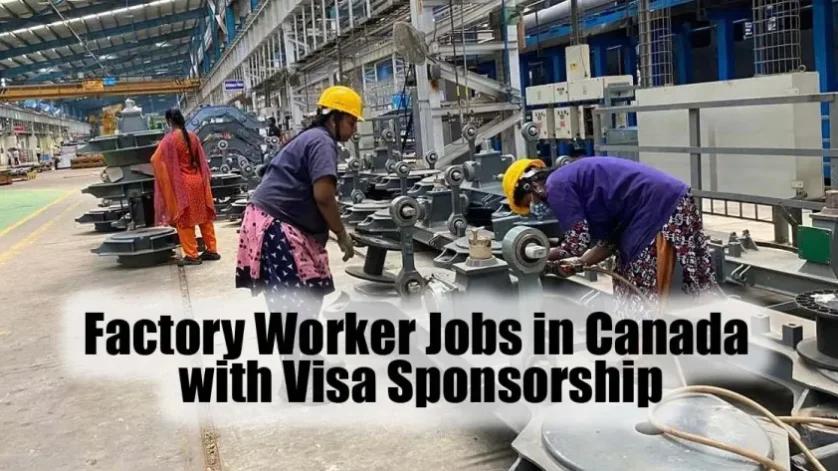
Canada is one of the world’s leading industrial economies, offering thousands of employment opportunities in manufacturing and production sectors. Among these opportunities, factory worker jobs in Canada are highly sought after by both local residents and international workers. With competitive wages, stable employment, and opportunities for career advancement, factory jobs continue to play a vital role in Canada’s economy.
This article explores factory worker jobs in Canada, including job responsibilities, qualifications, salaries, benefits, and tips for finding employment.
What Are Factory Worker Jobs?
Factory workers are responsible for supporting manufacturing and production processes in industrial facilities. They help produce a wide range of products, including food, automotive parts, electronics, packaging materials, furniture, and consumer goods.
Factory workers may perform tasks such as:
- Operating machinery and equipment
- Assembling products
- Packaging finished goods
- Inspecting product quality
- Loading and unloading materials
- Maintaining workplace cleanliness
- Following safety procedures
The specific duties depend on the industry and employer.
Why Choose Factory Worker Jobs in Canada?
Factory jobs remain popular because they offer several advantages:
1. High Demand
Canada’s manufacturing sector regularly requires workers to meet production needs. Many employers actively recruit both domestic and international candidates.
2. Competitive Salaries
Factory workers can earn attractive wages depending on their experience, location, and industry.
3. Career Advancement
Many entry-level factory workers eventually move into supervisory, technical, or management positions.
4. Opportunities for Newcomers
Factory jobs are often accessible to immigrants and foreign workers seeking employment in Canada.
5. Stable Employment
Manufacturing remains an important sector of the Canadian economy, providing long-term job opportunities.
Common Types of Factory Worker Jobs
Production Worker
Production workers assist in manufacturing products and operating production lines.
Assembly Line Worker
Assembly workers put together components and products according to company specifications.
Packaging Worker
Packaging workers prepare products for shipping and distribution.
Machine Operator
Machine operators run and monitor industrial machinery used in manufacturing processes.
Warehouse and Factory Associate
These employees handle inventory, materials, and logistics within manufacturing facilities.
Food Processing Worker
Food manufacturing plants hire workers to prepare, package, and inspect food products.
Requirements for Factory Worker Jobs in Canada
Most entry-level factory positions have basic requirements:
Education
- High school diploma is often preferred.
- Some positions may not require formal education.
Physical Fitness
Factory work often involves:
- Standing for long periods
- Lifting heavy objects
- Repetitive movements
- Working in fast-paced environments
Communication Skills
Basic English or French communication skills are typically required.
Safety Awareness
Workers must follow workplace safety regulations and use protective equipment when necessary.
Experience
While many employers provide training, previous manufacturing or warehouse experience can be beneficial.
Average Salary of Factory Workers in Canada
Factory worker salaries vary by province, employer, and industry.
Typical hourly wages range from:
- Entry-level positions: CAD $17–$22 per hour
- Experienced workers: CAD $22–$30 per hour
- Specialized machine operators: CAD $25–$35+ per hour
Workers may also receive overtime pay, bonuses, and additional benefits.
Provinces with Strong Manufacturing Industries
Several Canadian provinces offer excellent factory employment opportunities.
Ontario
Ontario is Canada’s manufacturing hub, particularly for automotive, food processing, and industrial production.
Quebec
Quebec has a large manufacturing sector focused on aerospace, food production, and consumer goods.
Alberta
Alberta offers factory jobs related to energy, agriculture, and industrial manufacturing.
British Columbia
Manufacturing opportunities exist in food processing, technology products, and packaging industries.
Manitoba
Manitoba continues to grow its manufacturing and logistics sectors, creating new employment opportunities.
Benefits of Factory Worker Jobs
Many employers offer attractive benefits, including:
- Health insurance
- Dental coverage
- Paid vacation
- Retirement savings plans
- Overtime opportunities
- Paid training
- Employee assistance programs
These benefits can significantly increase overall compensation.
How to Find Factory Worker Jobs in Canada
Online Job Portals
Many companies advertise openings through online job boards and career websites.
Company Career Pages
Large manufacturers frequently post vacancies directly on their websites.
Recruitment Agencies
Employment agencies can connect workers with factory employers seeking immediate hires.
Networking
Friends, family members, and professional contacts may help identify job opportunities.
Government Employment Services
Canadian employment centers often provide assistance with job searches and applications.
Tips for Getting Hired
To improve your chances of securing a factory job:
- Create a professional resume.
- Highlight manufacturing or warehouse experience.
- Emphasize reliability and teamwork.
- Demonstrate physical capability for factory work.
- Obtain relevant certifications if available.
- Apply to multiple employers.
Challenges of Factory Work
Although factory jobs offer many advantages, workers may face challenges such as:
- Physically demanding tasks
- Shift work, including nights and weekends
- Repetitive job duties
- Production deadlines
Understanding these conditions can help candidates prepare for success.
Future Outlook for Factory Jobs in Canada
The future of manufacturing in Canada remains positive. While automation continues to evolve, many factories still require skilled workers to operate equipment, maintain production quality, and support operations.
Industries such as food manufacturing, automotive production, logistics, and advanced manufacturing are expected to continue creating employment opportunities in the coming years.
Conclusion
Factory worker jobs in Canada offer stable employment, competitive wages, and valuable career opportunities. Whether you are a Canadian resident or an international worker seeking employment, the manufacturing sector provides numerous pathways for professional growth. By developing relevant skills, maintaining a strong work ethic, and actively searching for opportunities, individuals can build successful careers in Canada’s thriving industrial economy.
Frequently Asked Questions (FAQs)
Do factory worker jobs require experience?
Not always. Many employers provide on-the-job training for entry-level workers.
What is the average salary of a factory worker in Canada?
Most factory workers earn between CAD $17 and $30 per hour depending on experience and industry.
Can foreigners apply for factory jobs in Canada?
Yes, many Canadian employers hire foreign workers through legal work permit and immigration programs.
Which province has the most factory jobs?
Ontario generally offers the largest number of manufacturing and factory employment opportunities.
Are factory jobs physically demanding?
Yes, many positions involve standing, lifting, and repetitive tasks throughout the workday.
Is factory work a good career in Canada?
Factory work can provide stable income, benefits, and opportunities for advancement into higher-paying positions.