
Introduction
Germany is one of Europe’s agricultural powerhouses, producing a wide range of crops, livestock products, and agricultural goods. The country’s farming sector plays a crucial role in ensuring food security and supporting the national economy. As agricultural production continues to grow, the demand for skilled and unskilled farm workers remains strong.
Agriculture farm worker jobs in Germany offer excellent opportunities for both local and international workers seeking stable employment, practical experience, and competitive wages. Whether working on crop farms, fruit orchards, vegetable fields, dairy farms, or livestock operations, agricultural workers are essential to the success of Germany’s farming industry.
The Importance of Agriculture in Germany
Agriculture is a key contributor to Germany’s economy and rural development. German farms use modern technologies, sustainable farming practices, and advanced equipment to maximize productivity and environmental responsibility.
Major agricultural products in Germany include:
- Wheat
- Barley
- Corn
- Potatoes
- Sugar beets
- Vegetables
- Fruits
- Dairy products
- Pork and poultry
The success of these industries depends heavily on a reliable workforce capable of handling daily farming activities.
What Does an Agriculture Farm Worker Do?
Agriculture farm workers perform various tasks that support crop cultivation, livestock care, harvesting, and farm maintenance.
Their responsibilities may vary depending on the season and type of farm, but common duties include:
Planting and Cultivation
Workers help prepare fields, plant seeds, and monitor crop growth throughout the growing season.
Harvesting Crops
Harvesting fruits, vegetables, grains, and other agricultural products is one of the most important farm activities.
Livestock Care
Farm workers feed animals, clean shelters, monitor animal health, and assist with breeding and care programs.
Irrigation and Water Management
Maintaining irrigation systems ensures crops receive adequate water for healthy growth.
Machinery Operation
Some workers operate tractors, harvesters, and other agricultural equipment.
Farm Maintenance
General maintenance tasks include repairing fences, cleaning facilities, and ensuring equipment functions properly.
Types of Agriculture Farm Worker Jobs
Germany offers a variety of agricultural employment opportunities.
Crop Farm Worker
These workers focus on planting, maintaining, and harvesting crops such as wheat, corn, and potatoes.
Fruit Picker
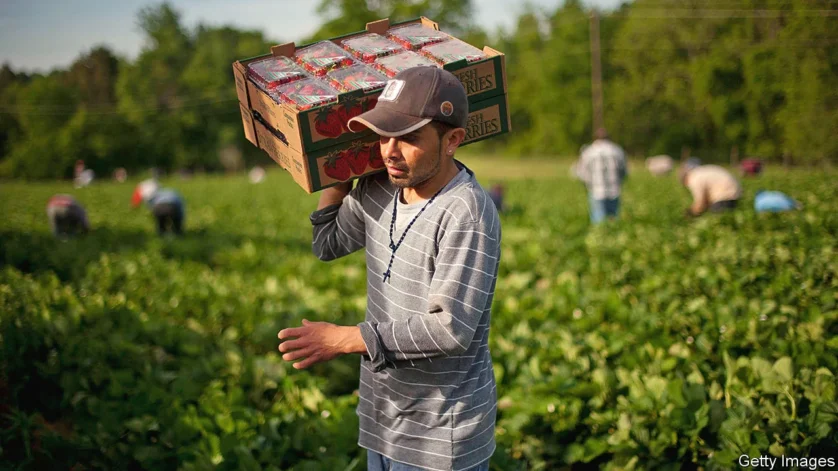
Fruit farms often hire seasonal workers to harvest apples, strawberries, cherries, and grapes.
Vegetable Farm Worker
Workers help cultivate and harvest vegetables for domestic consumption and export markets.
Dairy Farm Assistant
Dairy farm employees assist with milking operations, feeding livestock, and maintaining facilities.
Livestock Worker
Livestock workers care for cattle, pigs, poultry, and other farm animals.
Greenhouse Worker
Greenhouse employees grow vegetables, flowers, and plants in controlled environments.
Why Germany Needs Agricultural Workers
Several factors contribute to ongoing demand for farm workers.
Seasonal Labor Requirements
Harvest seasons require large numbers of temporary workers.
Labor Shortages
Many farms struggle to find sufficient local labor, creating opportunities for foreign workers.
Expanding Agricultural Production
Growing food demand increases the need for reliable agricultural employees.
Aging Workforce
Many experienced farmers are approaching retirement age, creating workforce gaps.
Modern Farming Growth
Advanced agricultural systems require workers capable of operating machinery and managing farm processes.
Skills Required for Farm Worker Jobs
Although many positions are entry-level, certain skills can improve employment opportunities.
Physical Stamina
Agricultural work often involves long hours of physical activity.
Reliability
Employers seek workers who are dependable and committed.
Teamwork
Farming operations rely heavily on cooperation among workers.
Adaptability
Workers must adjust to changing weather conditions and seasonal workloads.
Attention to Detail
Monitoring crops and livestock requires careful observation.
Machinery Skills
Experience operating agricultural equipment can increase earning potential.
Educational Requirements
Many farm worker positions do not require advanced education.
Typical requirements include:
- Basic literacy and communication skills
- Physical fitness
- Willingness to work outdoors
- Ability to follow safety procedures
Some specialized positions may benefit from:
- Agricultural training
- Vocational certifications
- Machinery operation experience
- Animal care qualifications
Practical experience is often valued more than formal education.
Salary Expectations
Agriculture farm worker salaries in Germany depend on experience, job type, and region.
Typical salary ranges include:
- Entry-level farm workers: €2,000–€2,500 per month
- Experienced workers: €2,500–€3,200 per month
- Machinery operators and supervisors: €3,200–€4,000+ per month
Additional benefits may include:
- Free or subsidized accommodation
- Meals during working hours
- Transportation support
- Overtime compensation
- Seasonal performance bonuses
Opportunities for International Workers
Germany frequently hires foreign workers for agricultural jobs, especially during peak harvest seasons.
International applicants may find opportunities in:
- Fruit farms
- Vegetable farms
- Greenhouses
- Dairy farms
- Livestock operations
- Agricultural processing facilities
Many employers value hardworking international workers who help address labor shortages during busy periods.
Applicants should ensure they meet work permit and visa requirements before applying.
Benefits of Working as an Agriculture Farm Worker
Stable Employment Opportunities
Agriculture remains an essential industry with consistent demand for labor.
Practical Work Experience
Workers gain valuable hands-on experience in modern farming techniques.
Outdoor Working Environment
Many individuals enjoy working in nature rather than in office settings.
Skill Development
Farm workers learn machinery operation, crop management, and animal care skills.
Cultural Experience
International workers can experience German culture and rural communities while earning an income.
Challenges of Agricultural Work
Like any profession, agricultural work comes with challenges.
These may include:
- Physically demanding tasks
- Exposure to varying weather conditions
- Early morning schedules
- Seasonal workload fluctuations
- Long hours during harvest periods
Workers who enjoy active and practical work often find these challenges manageable and rewarding.
Career Growth Opportunities
Agricultural careers can lead to higher-level positions over time.
Potential career paths include:
- Farm Supervisor
- Agricultural Technician
- Livestock Manager
- Dairy Operations Manager
- Equipment Operator Specialist
- Farm Production Manager
- Agricultural Consultant
Additional training and experience can significantly improve career prospects.
Future Outlook
The future of agriculture in Germany is shaped by innovation and sustainability. Modern farms increasingly use:
- Precision farming technologies
- GPS-guided machinery
- Automated irrigation systems
- Smart monitoring tools
- Environmentally sustainable practices
As agriculture evolves, workers who develop technical skills and agricultural knowledge will remain highly valuable.
Conclusion
Agriculture farm worker jobs in Germany provide excellent opportunities for individuals seeking employment in a stable and essential industry. From planting and harvesting crops to caring for livestock and operating machinery, farm workers play a crucial role in Germany’s food production system.
With competitive wages, opportunities for international workers, valuable skill development, and strong demand across the agricultural sector, farm work in Germany remains an attractive career option. For hardworking individuals who enjoy outdoor environments and practical tasks, agriculture offers a rewarding path with long-term growth potential.